The problem everyone can see is rarely the problem.
Gordian is an operational intervention practice for unresolved operational problems. We find the real friction, say it plainly, and stay until the fix works, holds and runs without us.
Two things keep unresolved problems unresolved.
By the time a problem reaches this point, it is visible, it is costing something, and it is becoming someone's to answer for. It has rarely stayed unresolved because people aren't trying. It has stayed unresolved because of two structural patterns.
Split ownership
- The real friction lives in the seams: between teams, systems, vendors and workflows.
- Everyone owns a piece. No one owns the seam.
- Workarounds hold it together, until the workarounds become the process.
The advisory drop-off
- Most engagements end when the fix is designed.
- Implementation is handed back to people who were already stretched.
- Advice stops where working change should start.
The Gordian Method.
1. Find the problem.
We enter the operation and map how the work actually runs: where it flows, where it breaks, and why it has stayed unresolved.
2. Fix what's causing it.
We design the intervention, scope it, and implement it inside your business, with your people, through the troubleshooting and the training.
3. Stay until the change works.
The fix is handed over with ownership, process, tools and operating rhythm. The engagement is finished when your team is running the change and we are not in the room.
Gordian's difference is where the weight sits: the heaviest part of our work begins where most engagements end.
Evidence.
An automotive importer carrying bad debt everyone had written off. Underneath: no standard process and no single owner of the recovery workflow. We rebuilt the operating model, standardised the work and recovered the debt. Bad debt down 80% in four months, with no further growth since.
An insurance broker whose costs were rising faster than profit. Underneath: simple work being done by expensive specialists. We sized the workload, decoupled simple claims to a new centre, and built the SOPs and training that let it run.
A general insurer running manual, paper-based claims. We ran the system selection, the migration off legacy, the sprints, the training and the automation of travel and medical claims. A 20% reduction in operating costs, and 150% ROI over six years.
A manufacturer failing order fulfilment. Underneath: undertrained staff and no clear ownership of the process. We built both. Fulfilment came inside KPI, held there, and profitability lifted around 10%.
SGD $10M+ recovered from previously unrecoverable debt
An automotive importer carrying bad debt everyone had written off. Underneath: no standard process and no single owner of the recovery workflow. We rebuilt the operating model, standardised the work and recovered the debt. Bad debt down 80% in four months, with no further growth since.
18% reduction in operating costs across Asia
An insurance broker whose costs were rising faster than profit. Underneath: simple work being done by expensive specialists. We sized the workload, decoupled simple claims to a new centre, and built the SOPs and training that let it run.
90% of claims automated, 150% ROI
A general insurer running manual, paper-based claims. We ran the system selection, the migration off legacy, the sprints, the training and the automation of travel and medical claims. A 20% reduction in operating costs, and 150% ROI over six years.
Service guarantees met for the first time in three years
A manufacturer failing order fulfilment. Underneath: undertrained staff and no clear ownership of the process. We built both. Fulfilment came inside KPI, held there, and profitability lifted around 10%.
Client names are confidential. The problem patterns, numbers and timelines are real, and we will walk through any of them in detail.
Gordian
The legend of the Gordian knot ends with a sword: an impossible tangle, a drawn blade, one dramatic stroke. There is a second account, from Aristobulus, an engineer who marched with Alexander at Gordium that day.
By his telling, Alexander never cut the knot. He studied it, found the pin the whole tangle was anchored around, and drew it out. The knot fell open.
We took our name from that version.
Most unresolved business problems look like the legend: impossibly tangled, inviting the sword. And most firms arrive swinging. We work the quieter account: enter the problem, read its real structure, find what everything is fastened to, and free it without breaking what still works. Then we stay until it runs without us.
The sword makes a better story. The pin makes a better fix.
The operator
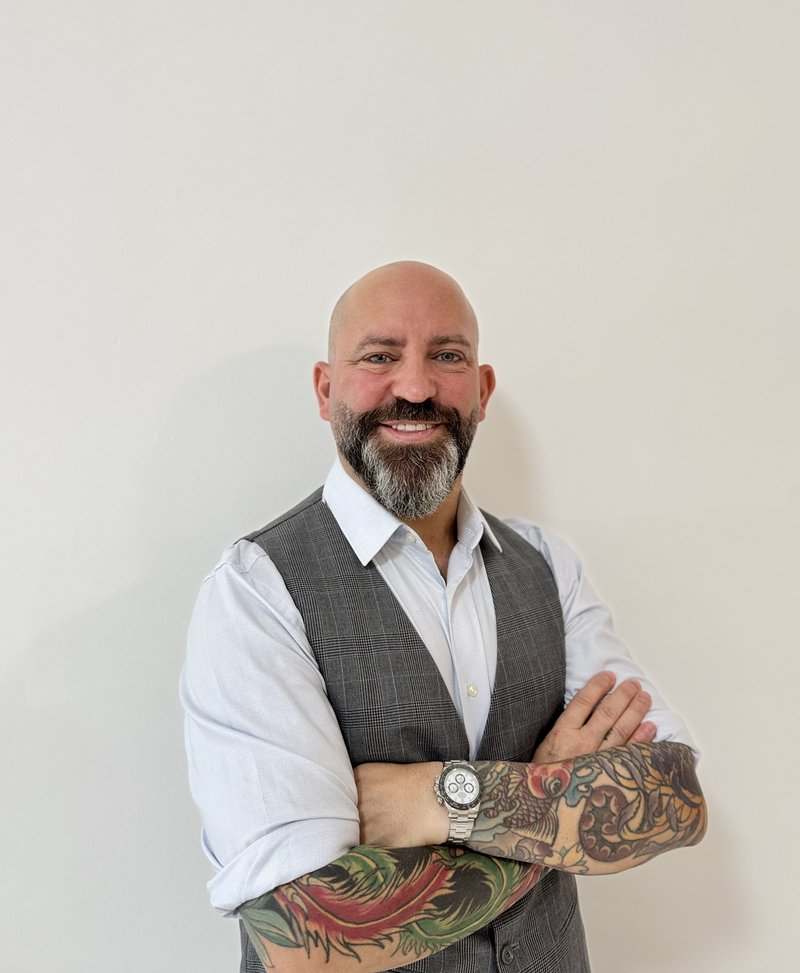
Gordian is led by Simon Johnson. Years running complex operations across insurance, automotive and manufacturing in APAC, and then brought in from outside to fix problems that had outlasted every attempt to resolve them.
He is not a fixture. Gordian is called in from outside because outside works: no internal politics to navigate, no history to protect, no reason to let a problem outlive its usefulness to someone's org chart. What he brings instead is radical objectivity. No stake in how the problem was created, only in how it gets solved. He answers for the outcome, not the process.
Not a consultant in the usual sense. No decks, no committees, no handoff to a delivery team. He is on the floor, in the plant, in the room where the decision actually gets made, running the operation himself for the length of the engagement, because that is the job.
Every engagement is led by him: the diagnosis, the implementation and the handover. The record above is his.
Where an intervention makes sense.
Gordian takes on a small number of interventions at a time, and every engagement is led by the person you meet first. So we qualify carefully, and we would rather say so upfront. An intervention makes sense when:
- There is measurable value at stake: cost, leakage, delay, risk or momentum loss with a number on it, or one that can be given a number.
- There is executive sponsorship close enough to act.
- There is access to the people doing the work day to day.
- There is a genuine appetite to implement, not just to discuss.
When the goal is a second opinion, a deck for the board, or an exploration without a decision behind it, we are the wrong firm, and we will say so early.
The first step is small and deliberate.
The first commercial step is a scoping diagnosis: a short, fixed piece of work that maps the real structure of the friction and puts a number on the cost of leaving it unresolved. It ends in a clear go or no-go: can this problem be resolved, what would it take, and what would need to be true inside your business for the fix to hold.
If the answer is a 'no-go', you will know why, and you will keep the map.
What you can hold us to.
- We don't stop at recommendations.
- We stay until the change is working.
- We leave when your team can run it without us.